WE-ACTx is actively seeking tax exempt donations of goods and services to support our programs in Rwanda. We are actively seeking donations of food, vehicles, laptop computers, video cameras, cell phones, clothing, children’s toys, sporting goods, and materials to support our income-generation programs. For further information on donations, please contact us at: us@we-actx.org
Mail your tax deductible donations made payable to WE-ACTx to:
WE-ACTx—584 Castro Street #416, San Francisco, CA 94114 415-863-4676 x3
WE-ACTx is a US based, 501C3 tax exempt organization, EIN# 56-2572210
WE-ACTx appreciates your interest in volunteering with us – at both our US admin office, and at our clinics/programs in Rwanda. Please send your bio/resume to us@we-actx.org and tell us about yourself, your skills, your interests, and we will get back to you. Thanks again for your interest!
Clinical Care Overview
WE-ACTx has provided medical care services, hospital referrals, and HIV counseling and testing for tens of thousands of Rwandans and their families. Currently,our two clinical sites in Rwanda (more…)
Our health care model is unique in Rwanda for its extensive integration of mental health care into primary health and HIV medical care. Trained staff including trauma counselors, a psychiatric nurse, a psychologist, and peer advocates deliver WE-ACTx’s psychosocial services. We offer home visits and individual counseling for patients of all ages, as well as group counseling for teens, young mothers, survivors of domestic violence, and men living
with HIV. Medications are available for those who are referred to the psychiatric nurse who works closely with the clinical and psychosocial staff. Special attention is given to those patients with symptoms of depression and post traumatic stress.
Youth Support Groups
SUNDAY SUPPORT
Every Sunday, young patients from WE-ACTx’s Centreville clinic gather together for a day of peer-led support groups, community-building games, yoga, and a healthy snack.
Under the supervision of WE-ACTx’s Youth Program Director, our twenty Peer Parents facilitate group conversations for youth ages 12-20— focusing on overcoming the challenges of adherence to HIV medication. These “family groups,” which are stratified according to age and gender, create a consistent safe space for teens to discuss personal issues related to living with HIV and their overall well-being. The support groups are followed by peer-led yoga classes that give youth the opportunity to release physical and emotional tension, build strength, and enjoy each other’s company.
For patients under 12, the Peer Parents facilitate an afternoon of community-building games, music-making, yoga and other sports. We believe that helping our youngest patients have spaces to create, to play, and to connect with each other is integral to helping them sustain the highest possible level of physical and mental health as they continue to grow.
SATURDAY SUPPORT
At the Nyacyonga Health Center, youth of all ages come together every Saturday for a morning of traditional dance, music-making, and community games. Following the full-group activities, our Nyacyonga Peer Parents facilitate discussion groups for older youth, while younger children play and enjoy a snack.
Youth Clinic Day
As part of our commitment to tailoring our services to meet patient-identified needs, WE-ACTx strives to foster an open dialogue with our young patients about we can best serve them. In response to a request from our youth community in 2011, health care providers at the Centreville clinic designated Wednesdays as “Youth Clinic Day”—which allows pediatric and adolescent patients to seek comprehensive care in the comfort of a youth-only environment. WE-ACTx kids and teens now have the opportunity to connect with friends from our summer camp and year-round support programs, attend mini-seminars about self-care, and peruse our colorful children’s library before and after their appointments.
WE-ACTx Summer Youth Program
Every summer, WE-ACTx’s Peer Parents team up with our partners at Musicians without Borders, a group of students from Chicago’s Latin High School, and an array of local and international teaching artists to run an arts-based summer program for the pre-teen patients of our two local clinics. Activities such as theater, music, traditional dance, painting, yoga and soccer give youth crucial opportunities to express themselves, and to form long-term friendships. Over the course of the 3-week program, WE-ACTx’s young patients create an original performance piece, drawn from their shared experiences and imaginations, which they present to friends and family at our big end-of-summer celebration. The program’s aim is to improve campers’ abilities to share their feelings and ideas, to increase their comfort level in seeking care from WE-ACTx’s integrated services, and to strengthen the supportive relationships that WE-ACTx’s young patients have built with the Peer Parents and each other.
Parental Support
DISCLOURE SUPPORT GROUPS
Rwandan law requires that all children born with HIV be informed of their status by age 12. As part of our efforts to support the parents and caregivers of our pediatric patients, WE-ACTx counselors facilitate a weekly discussion group to help families navigate the challenges of disclosing this information to their children. Our support group creates a space for parents to talk through different strategies for sharing this difficult news, and
to seek help in working through the tension that disclosure can introduce into family relationships. Since we began the group in 2011, the percentage of WE-ACTx youth ages 8-12 who are aware of their status has risen from 50% to >90%. It is our hope that by fostering an ongoing conversation among caregivers, and connecting them with individual counseling as needed, we can nurture a community of young people who are well-informed about their own health, and can take an active role in their self-care.
QUARTERLY PARENT MEETINGS
Quarterly meetings are held for parents of children over 12 to support them in helping their children adhere better to medications. These gatherings allow caregivers to become familiar with the WE-ACTx staff, as well as with opportunities for family-centered activities to improve their lives and the lives of their children.
Annual Children’s Assessments
WE-ACTx’s team of nurses and psychologists conduct annual individual needs assessments for all patients under 17 years of age. These one-on-one evaluations allow the clinic’s staff to identify problems that young patients are facing related to poverty, stigma, family issues, gender-based violence, educational issues, and the challenges of grappling with their HIV status. Our counselors include detailed notes from these conversations in patients’ medical charts, thereby enabling clinicians to make informed referrals, track change over time, and approach each child’s care from a holistic perspective.
Day of the African Child
Day of the African Child is observed every year on June 16th, throughout the African continent—in commemoration of the 1976 Soweto uprising, when 10,000 black schoolchildren risked their lives to demand better education and the right to be taught in their own language in South Africa.
At WE-ACTx, we honor this day by hosting an outdoor gathering for the families of the 600 youth we serve. Our annual event features an academic awards ceremony, as well as music, theater and dance performances by WE-ACTx youth and invited local artists.
Day of the African Child is the time of year we come together to celebrate the way that the young folks in our care are thriving—and to recognize all of the hard work, cooperation and love that has contributed to supporting their well-being.
Youth Ending Stigma (Y.E.S.)
Youth Ending Stigma (Y.E.S.) is a youth group committed to ending HIV-related stigma in Rwanda that was started by WE-ACTx patients in the fall of 2009. The members of Y.E.S. meet regularly at the Centreville clinic to support each other in their own struggles against stigma, and to collaborate on peer education projects and public awareness campaigns that challenge stereotypes and promote equality. In addition to sharing their own testimonies with other HIV-positive youth and with the general public, the members of Y.E.S. have spread their message by staging plays, composing original music, participating in photography exhibitions, and creating a video that has been named a finalist for the $25,000 Kalamazoo College Global Prize for Collaborative Social Justice Leadership.
WE-ACTx’s income generation projects seek to address two major barriers in fostering health and wellness for Rwandan women, children and families struggling with HIV: poverty and lack of sufficient nutrition. For many of our patients, generating sufficient income to feed themselves and their families is an ongoing struggle—which can increase vulnerability to disease and negatively influence adherence to HIV treatment regimes.
Our three unique co-operatives draw on a system of collective decision-making and management to generate much-needed income for employees, and provide them with a community of mutual support and opportunities for continuing education.
Click below to view the imaginative, high-quality products of our co-ops:
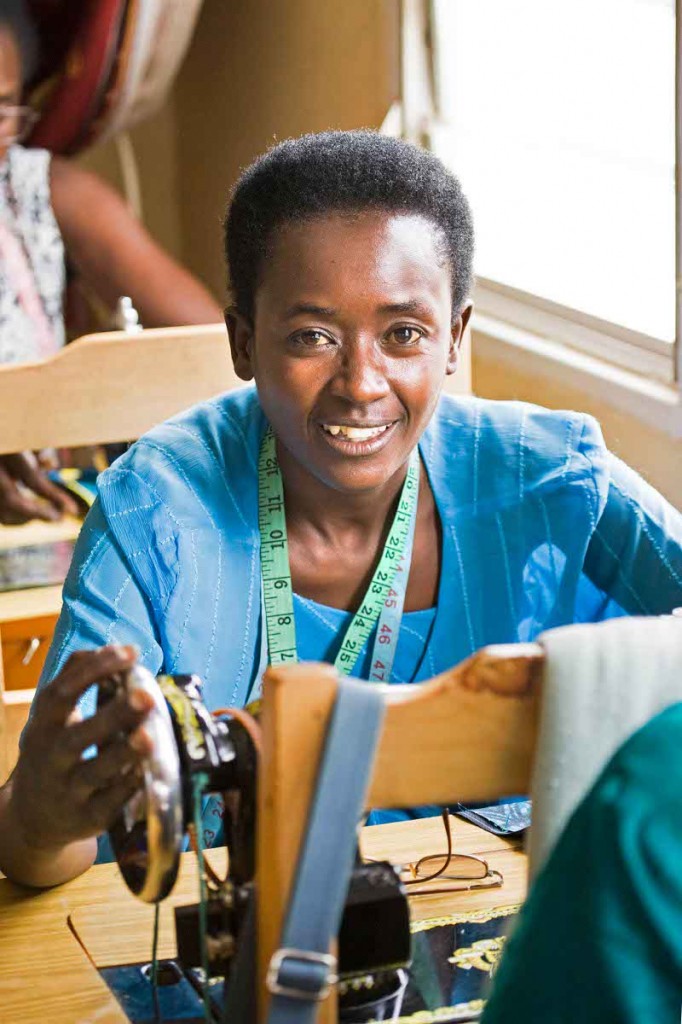
INEZA (Kigali)
handmade bags, home décor items & accessories
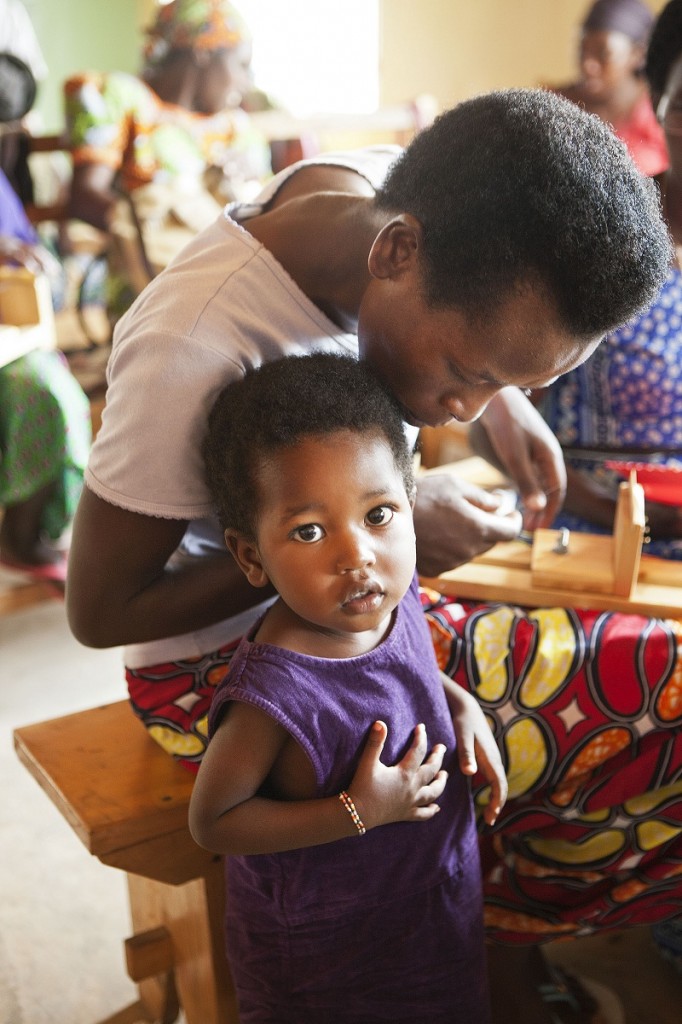
EJO HAZAZA (Nyacyonga)
one-of-a-kind jewelry fashioned from fabric and handmade recycled glass beads
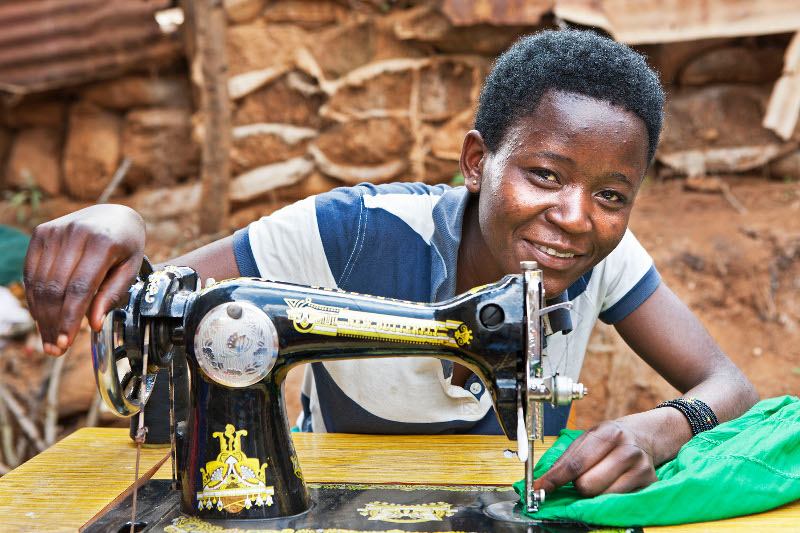
DUTETE (Kigali)
screenprinting
MANOS DE MADRES
Manos de Madres is a non-profit organization dedicated to building pathways out of poverty by empowering women through craft-based initiatives founded on the principles of cooperation, creativity and sustainability. Manos de Madres supports and distributes the products of the WE-ACTx associated cooperatives.
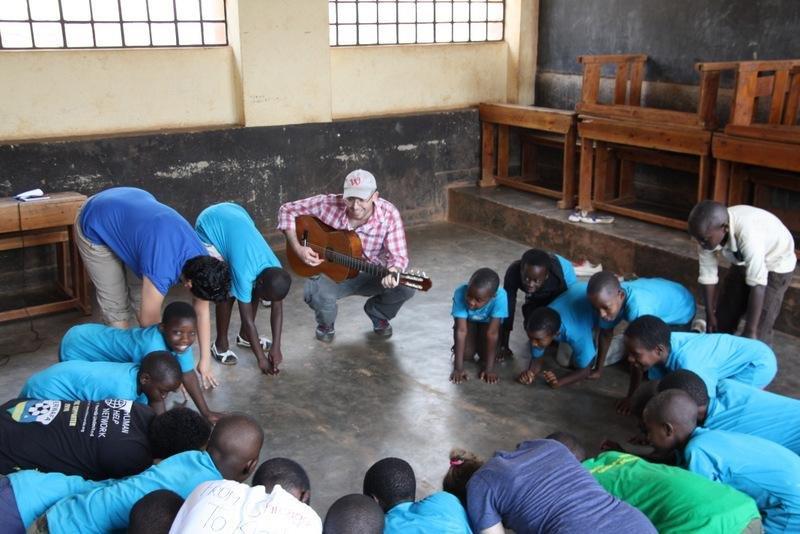
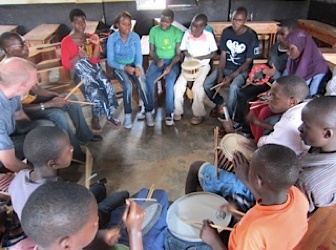
Musicians without Borders (MwB) is an international nonprofit organization that uses music to connect communities, bridge divides, and heal the wounds of war and conflict. Under the guidance of project manager Danny Felsteiner, MwB has designed and facilitated an extensive teacher training for WE-ACTx’s Peer Parents—with the aim of giving them the tools to incorporate a rich variety of music-making into our year-round youth support groups. The Peer Parents graduated from the program in February 2013— after two years of weekly music lessons (provided by local Rwandan artists at the Kigali Music School) and a series of intensive workshops led by visiting artists from all over the world. Our collaboration with MwB has been an inspiration to the entire WE-ACTx community, and we look forward to supporting the Peer Parents in this imaginative approach to serving the holistic needs of our young patients.
To read more about this exciting partnership, please visit:
http://www.musicianswithoutborders.org/n_rwanda_youth_music4.htm
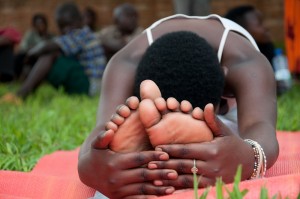
Since the beginning, WE-ACTx has taken an imaginative approach to supporting the well-being of the communities we serve. In 2007, we started offering yoga classes to help survivors of genocidal rape alleviate symptoms of Post-Traumatic Stress Disorder (PTSD)—through a partnership with the now-independent non-profit organization Project Air. Many of the women and men who have attended our yoga sessions express that the strength they gain from the physical exercise of yoga—and from opportunity it gives them to laugh and relax in the company of other women—has allowed them to feel capable of moving forward.
Over the past four years, Project Air has expanded its collaboration with WE-ACTx to include yoga programming for all of the children and youth who attend our weekend support groups. These sessions are led by one of our dedicated Peer Parents, who encourages his young students to find joy and power in the strength of their own bodies, and in the camaraderie of practicing together.

@Deirdre Summerbell/Project Air
@Deirdre Summerbell/Project Air
WE-ACTx is the recipient of a 5 year NIH National Institute of Child Health and Development grant entitled “Improving Adherence to Treatment Regimens for HIV-Positive Adolescents and Young Adults.”
As is true in most of sub-Saharan Africa, Rwandan youth are the global epicenter of the AIDS epidemic, accounting for 40% of new infections. While adults in Rwanda report good levels of adherence, studies of adolescents are less encouraging. In our preliminary research, youth reported logistical obstacles (e.g. no confidential place to store medicines), negative attitudes (e.g., not believing they need medications), mental health problems (e.g. hopelessness, depression, trauma), rigid gender-roles (gender-based violence), and unsupportive caregiver attitudes as the primary reasons for non-adherence.
The newly funded Youth Adherence study will be led by a highly experienced, multidisciplinary team including Dr. Mardge Cohen, WE-ACTx Medical Director, Dr. Sabin Nsanzimana, Rwandan Biomedical Center (RBC), under the Minister of Health, and Dr. Geri Donnenberg, Associate Dean of Research, School of Public Health and Professor of Psychology in Psychiatry at University of Illinois, Chicago.
We will use a 2-arm Randomized Control Trial to test and compare the efficacy of adherence-enhanced Trauma Informed-Cognitive Behavioral Therapy to usual care in increasing ART adherence among 350 Rwandan 14 – 21 year olds from the two clinics caring for the largest number of youth with HIV in Rwanda. Based on the Indigenous Leader Outreach Model, we will train 20 HIV+ indigenous youth leaders (IYL) and supervising psychologists to deliver the intervention.
The study answers a compelling need for innovative programs to increase ART adherence among HIV+ youth and will be the first empirically based intervention to improve adherence among youth in Rwanda. If effective, the study will build Rwanda’s capacity to provide much needed services; and, involvement by the Rwanda Biomedical Center will ensure wide dissemination.
Women’s Equity in Access to Care and Treatment is an international community-based HIV/AIDS initiative operating in the East African nation of Rwanda. Our two locally-staffed clinical sites offer highly-integrated medical and psycho-social services, free of charge, for 2,250 patients living with HIV. Since we began in 2003, our programs have expanded to include confidential testing, nutritional support, and prevention of mother to child transmission, as well as the administration of several ongoing research studies. In addition to providing individual counseling and cognitive-behavioral therapy, we offer specialized support groups for teens, young mothers, survivors of sexual and domestic violence, and men living with HIV. Our youth support groups, which serve 600 children and teens, are facilitated by indigenous young adult leaders from the WE-ACTx clinic. WE-ACTx has also organized four income-generation cooperatives, an annual youth summer camp, and yoga classes for children and adults. As of 2013, a dedicated team of Rwandan health care providers operate these programs as their own local NGO, WE-ACTx for Hope, with the support of WE-ACTx, grassroots community partners and Rwandan government health agencies.
In the 100-day genocide of 1994, an estimated 250,000 Rwandan women experienced multiple episodes of brutal rape, torture and violence. Many of these women contracted HIV, likely as a result of this brutality. In late 2003, survivors learned that the perpetrators of their rapes, who were jailed while waiting trial at the International Tribunal, were receiving antiretroviral therapy (ART)—while the women they had infected died of AIDS. Women’s Equity in Access to Care and Treatment for HIV (WE-ACTx) was created in early 2004 in response to a request from these women for help in accessing ART. Working collaboratively with five local genocide survivors associations, the Rwandan Ministry of Health and the Rwandan National AIDS Program, WE-ACTx founding members mobilized resources to develop a treatment program for the survivors. The first patients received comprehensive primary care by June of 2004. Since then, our programs have expanded in both size and scope, but our deep commitment to helping Rwandan survivors of genocidal rape and sexual violence, and empowering HIV-infected and affected women and children to take charge of their lives and become leaders in the fight against AIDS, guides our vision and continuing efforts.
Our primary mission is to increase women’s and children’s access to primary health care and treatment in resource-limited settings at the grassroots level. We are committed to a locally driven, collaborative model of primary health care and treatment provision—one in which high quality clinical care, psycho-social support, poverty-mitigation, capacity-building and self-advocacy are all key elements in achieving the highest possible attainment of physical and mental health for our patients.
Primary Health and Empowerment of Women and Girls female student WE-ACTx’s model of primary health care service delivery is guided by a commitment to local women’s empowerment, decentralized health service delivery through the public sector, program planning based on community-identified needs, and a family-centered model of health care and support service delivery.
Our HIV treatment and other clinical care services are wrapped around primary care and other support services organized through deep community outreach via local grassroots partner associations. Currently WE-ACTx works with 24 local partner associations in various capacities, providing training and support to association members, and collaborating in the implementation of a variety of prevention and education & support services for community members, i.e. mobile counseling and testing services (VCT), trauma counseling for both women and children who receive testing services or have been subject to sexual violence, home visits by nurses and peer advocates to assist children and parents with medical follow-up, including nutritional needs and mental health issues, assistance with design and implementation of income-generating activities for association members, training in rights and legal self-advocacy for HIV+ persons, and support for children’s education and nutritional needs.
Our vision is to progressively deepen community-level skills and capacity-building for HIV infected and affected women and their families in providing gender sensitive health and social support services to vulnerable women, children, and families, and to efficiently link those needing HIV treatment and clinical care immediately into high quality clinical services, and support services which we know to support adherence to treatment regimes.
Women's Equity in Access to Care & Treatment